Pet allergies: how to recognize, treat, and protect your pets
Just like humans, pets can suffer from allergies, which can cause discomfort and even lead to severe health issues or death if left untreated. Allergies in pets can result from environmental factors, certain foods, or even materials they come into contact with daily. Understanding the signs of pet allergies, their causes, and treatment options can help ensure a healthier and happier life for them.
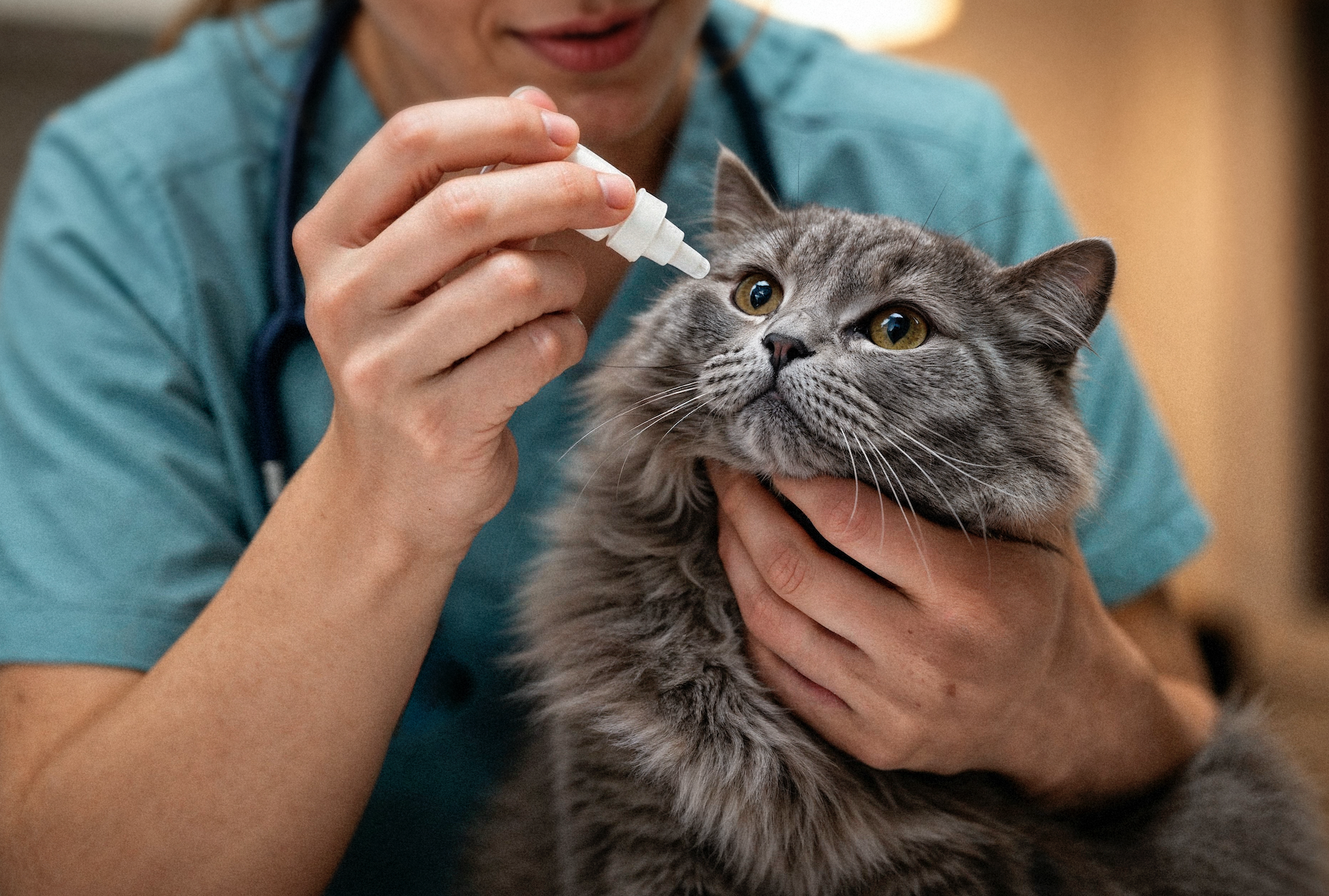
What are pet allergies?
Allergies occur when a pet’s immune system overreacts to a specific substance (allergen). The immune system identifies these substances as threats, triggering various symptoms to “protect” the body.
How to recognize allergies in pets
Common symptoms:
- Skin issues: Excessive scratching, redness, hives, or hair loss.
- Digestive problems: Vomiting, diarrhea, or poor appetite.
- Respiratory signs: Sneezing, coughing, or wheezing.
- Behavioral changes: Irritability or lethargy due to discomfort.
- Eye and ear issues: Red, watery eyes or chronic ear infections.
Important: Allergies in pets can mimic other conditions. If you notice these symptoms, consult your veterinarian for an accurate diagnosis.
Common allergens by pet type
Dogs:
- Food allergies: Beef, chicken, dairy, wheat, soy.
- Environmental allergens: Pollen, grass, mold, dust mites.
- Contact allergies: Certain shampoos, cleaning products, flea saliva.
Cats:
- Food allergies: Fish, chicken, dairy, or grains.
- Environmental allergens: Dust, pollen, molds, cigarette smoke.
- Contact allergies: Certain plastics, wool, or cleaning agents.
Bunnies:
- Dietary allergens: Certain vegetables like spinach or fruits with high sugar content.
- Bedding allergens: Cedar or pine shavings.
- Environmental allergens: Dust from hay or pollen.
How are allergies in pets treated?
Treating allergies in pets starts with understanding the underlying cause. Once the specific allergen is identified, an appropriate treatment plan can be developed to manage symptoms and improve your pet’s quality of life. Early diagnosis and intervention are essential in preventing complications and ensuring your pet remains comfortable and healthy.
- Identifying the allergen
- Veterinarians may perform allergy tests, food trials, or elimination diets to identify the allergen causing your pet’s reactions.
- Managing the allergy
- Medications: Antihistamines, corticosteroids, or immunotherapy (allergy shots).
- Special diets: Hypoallergenic food or diets without the offending allergen.
- Topical treatments: Shampoos, creams, or ointments to relieve skin irritation.
- Preventing future reactions
- Environmental adjustments: Use air purifiers, wash bedding frequently, and avoid smoking around pets.
- Parasite control: Keep your pet flea-free with regular parasite control measures.
- Safe products: Switch to pet-safe cleaning agents and grooming products.
How to protect pets from allergens
Preventing exposure to allergens is key to managing your pet’s allergies effectively. By taking proactive measures, you can minimize their discomfort and reduce the risk of allergic reactions. Whether it’s environmental, dietary, or contact-related allergens, simple adjustments can make a big difference in your pet’s well-being.
- Regular checkups: Schedule routine visits to ensure your pet’s health is on track.
- Healthy diet: Provide a balanced, high-quality diet that caters to their nutritional needs.
- Clean environment: Keep living areas free of dust, pollen, and mold.
- Observe behavior: Early detection of unusual symptoms can help address issues promptly.
At Animal Mama Hospital, we understand that dealing with pet allergies can be challenging. Our expert veterinary team is here to help identify allergens, offer treatment solutions, and guide you in protecting your pet. Book an appointment today to ensure your pet stays healthy and allergy-free!
FAQs about pet allergies
- How can I determine if my pet has allergies?
Look for recurring symptoms like itching, redness, vomiting, or sneezing. A veterinarian can conduct allergy tests or recommend elimination diets to identify allergens.
- Can pets develop allergies over time?
Yes, pets can develop allergies at any point in their lives, even to substances they’ve been exposed to previously without issue.
- Are there breeds more prone to allergies?
Some breeds, like Bulldogs, Retrievers, Siamese cats, and Rex rabbits, are genetically predisposed to allergies.
- Can over-the-counter antihistamines help my pet?
Some antihistamines are safe for pets, but always consult your veterinarian before giving your pet any medication.
- Can pet allergies be cured?
Allergies in pets can often be managed but not fully cured. Identifying and avoiding allergens is key to minimizing symptoms.